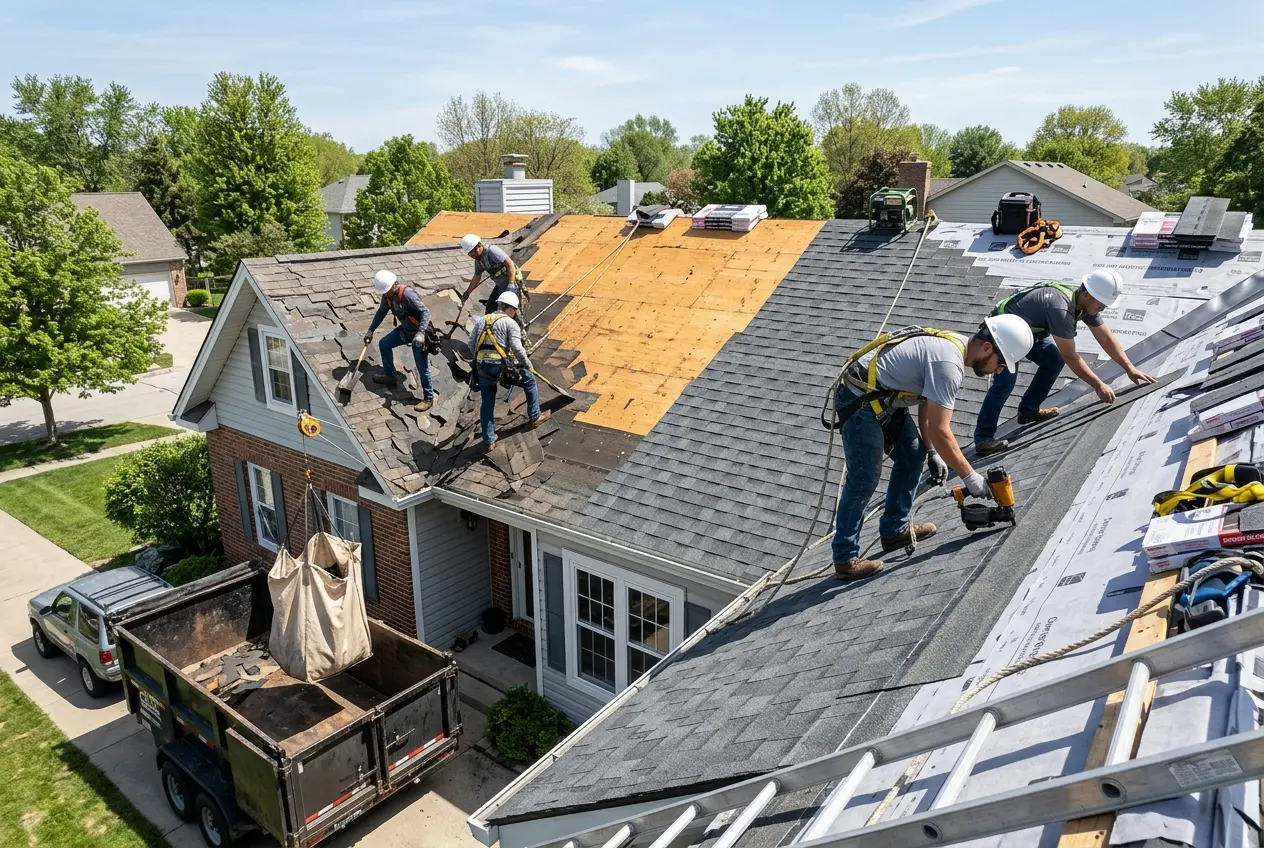
Utah roofs face unique challenges - heavy winter snows followed by intense summer UV radiation. We install roofs rated for at least 30 lbs/sq ft snow load, with proper ice barrier protection for freeze-thaw cycles. Materials are chosen for both durability against hail (common in spring storms) and energy efficiency during hot summers.
For historic districts like Capitol Hill, we preserve architectural details while upgrading underlying structures. In Sandy's bench areas, we reinforce against high winds. Every roof includes proper ventilation to prevent ice dams - a major cause of winter leaks. We dispose of old materials responsibly through Utah's construction recycling programs.
For historic districts like Capitol Hill, we preserve architectural details while upgrading underlying structures. In Sandy's bench areas, we reinforce against high winds. Every roof includes proper ventilation to prevent ice dams - a major cause of winter leaks. We dispose of old materials responsibly through Utah's construction recycling programs.
Our Process
- 01 Step 1: Inspection including attic ventilation assessment
- 02 Step 2: Snow load calculations specific to your location
- 03 Step 3: Material selection balancing durability and aesthetics
- 04 Step 4: Installation with extra ice/water shield in valleys and edges
Benefits
- Engineered for local weather extremes
- Energy-efficient options reduce cooling costs
- Proper ventilation prevents ice dams
- Historical district compliance
Frequently Asked Questions
How often should Utah roofs be replaced?
Typically 20-25 years depending on material. South-facing slopes degrade faster due to intense sun exposure - we'll show you wear patterns during inspection.
Can you match my historic home's roof?
We source period-appropriate materials like real cedar shakes for Craftsman homes, treated for modern fire codes while maintaining historic character.